
News
LM-A News
We publish a regular newsletter which is distributed via email. Its purpose is to encourage and support confessional Lutherans, by offering
devotions
teaching articles
a weekly memory verse
profiles of our members and interviews with a range of interesting people
news and upcoming events
prayers
The newsletter is available by subscribing below. You can access each issue in printable form on the right-hand side of this page. The lead article from each issue is also available below, so you can catch up on any that you missed.
Printable Copies of Our Newsletters
You may know of people in your family or people in your area who would love to read this newsletter but can’t access it for various reasons.
Please feel free to print off the following PDF versions of recent newsletters to share as part of your ministry of love and support for your brothers and sisters in Christ.
-
-
-
-
-
Issue 53, 17 December 2025 - Love in human form
Issue 52, 10 December, 2025 - Joy in the wilderness
Issue 51, 3 December, 2025 - Peace in the midst of turmoil
Issue 50, 26 November 2025 - Hope in the darkness
Issue 49, 19 November 2025 - SPECIAL EDITION: Walking Worthily
Issue 48, 12 November 2025 - Confessing with intrepid hearts
Issue 47, 31 October 2025 - Abiding in God’s Word
Issue 46, 15 October 2025 - Secure in the Scriptures
Issue 45, 1 October 2025 - Godliness with contentment
Issue 44, 17 September 2025 - Boldly proclaiming the gospel
Issue 42, 3 September 2025 - Blessing and joy
Issue 41, 20 August 2025 - Filled passion and zeal
Issue 40, 13 August, 2025 - Running with endurance
Issue 39, August 6, 2025 - Being made holy
Issue 38, July 23, 2025 - Taking refuge in the Lord
Issue 37, July 16, 2025 - Suffering Saints
Issue 36, July 9, 2025 - Sent out by Christ
Issue 35, July 2, 2025 - Justified by Faith
Issue 34, June 25, 2025 - The Good Confession
Issue 33, June 18, 2025 - Celebrating the Trinity
Issue 32, June 11, 2025 - Confessing the faith
Issue 31, June 4, 2025 - Filled with the Holy Spirit
Issue 30, May 28, 2025 - Sent out in Jesus’ name
Issue 29, May 21, 2025 - Living in God’s love
Issue 28, May 14, 2025 - Worshipping the Lord with thanksgiving
Issue 27, May 7, 2025 - Going Fishing
Issue 26, 30 April, 2025 - Healing Words
Issue 25, 16 April 2025, Transforming grief into joy
Issue 24, 9 April 2025, Loving and serving
Issue 23, 2 April 2025, Fasting and Feasting
Issue 22, 26 March 2025, Reading God’s Word
Issue 21, 19 March 2025, Keep on praying
Issue 20, 13 March 2025, Turning away from sin
Issue 19, 5 March 2025, Preparing our hearts
Issue 18, 26 February 2025, Jesus Only
Issue 17, 19 February 2025, Training for the Future
Issue 16, 12 February 2025, Friendship with Fellow Saints
Issue 15, 29 January 2025, Valuing women in the body of Christ
Issue 14, 22 January 2025, A story to tell
Issue 13, 16 January 2025, Living in our baptism
Issue 12, 7 January 2025, Responding in joy and faithfulness
-
Issue 11, 18 December 2024, Singing a new song
Issue 10, 11 December 2024, Practicing the peace of God
Issue 9, 28 November 2024 - Happy Birthday, LM-A!
Issue 8, 20 November 2024 - Dealing with Anger
Issue 7, 6 November 2024 - Shining Lights
Issue 6, 24 October 2024 - Crying out to the Lord
Issue 5, 16 October 2024 - Dwelling in Unity
Issue 4, 9 October 2024 - Not Alone
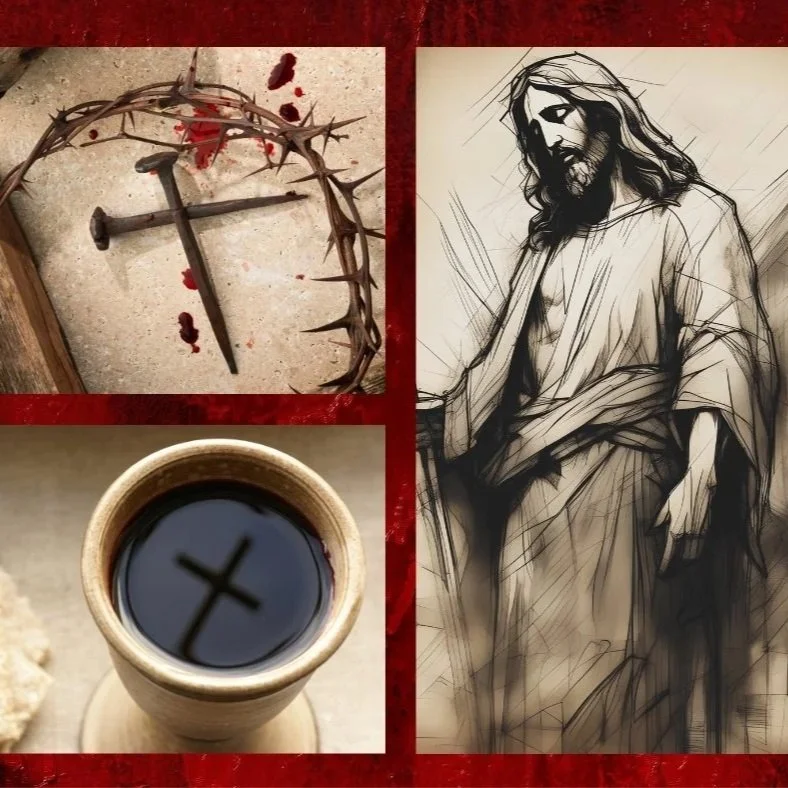
An Easter message from our President
“His blood be on us and on our children!”
Matthew 27:25
In the midst of holy week it is all too tempting to rush ahead to Easter Sunday and focus on upcoming joy of the resurrection. This is not a bad thing, but that joy is intimately connected to the events that occur on Maundy Thursday and Good Friday and so we should not pass over these things too quickly.
As I listened to the passion narrative from Matthew’s gospel which was assigned for Palm/Passion Sunday, I was struck that the most unlikely characters remind us of the reason for our joy.
While Peter is busy denying the Lord, it is Pilate’s Roman wife who testifies to her husband that he should ‘have nothing to do with that righteous man, for I have suffered much because of him today in a dream’ (Matthew 27:19). Through this unlikely person, the Holy Spirit reveals that Jesus is the Righteous Man who has fulfilled God’s Law and is therefore the only One who does not deserve death. And yet He stands before Pilate and the crowds, with the cross looming large in the distance. As we meditate on Christ’s suffering and death, our salvation is secured in this Righteous Man who suffered and died undeservingly, that we unrighteous ones might be forgiven and saved. And so, the Lord uses Pilate’s wife to remind us of where our hope lies.
Heeding his wife’s warning, Pilate famously washes his hands and declares that he is innocent of Jesus’ blood, at which point the crowds make the most shocking of declarations: ‘His blood be on us and our children!’ (Matthew 27:25). This bloodthirsty crowd was prepared to accept anything to secure Jesus’ death, but the irony is their murderous words actually reveal what Jesus would accomplish in the next hours.
While they were happy to have the guilt of Jesus’ blood on their hands and the hands of their children, Jesus offers up His blood for a better purpose, even for those who called for His death. As the letter to the Colossians says, Jesus has made peace between sinners like us and our Heavenly Father, through the blood of the cross (Colossians 1:19-20). And so we do pray that the blood of Jesus would be on each of us and our children, because this blood, this death, offers forgiveness and freedom to all who believe.
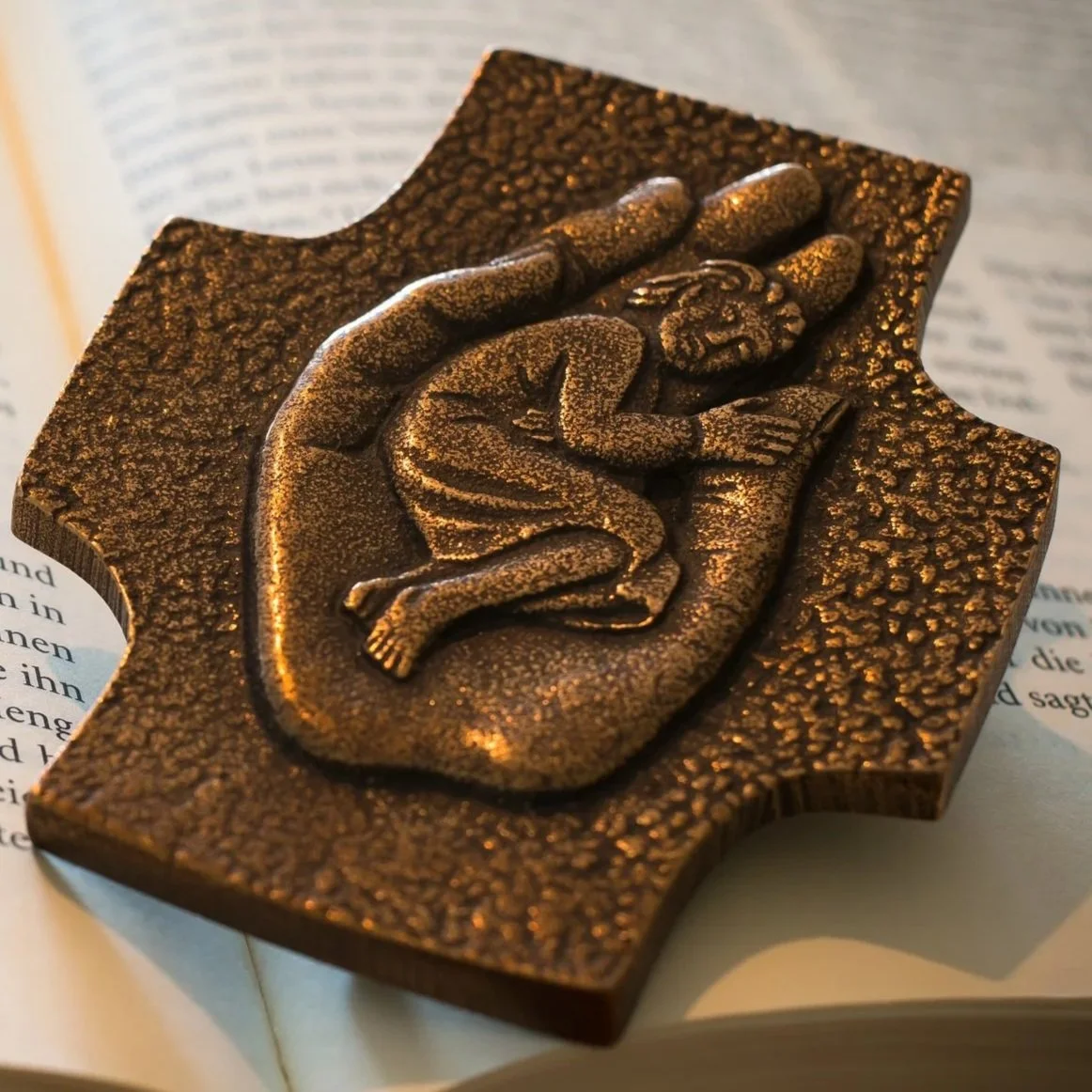
Safe in the Father’s hands
‘Father, into your hands I commit my spirit!’
Luke 23:46a
Jesus’ final word from the cross is, ‘Father, into your hands I commit my spirit!’ (Luke 23:46a). This moment is not one of defeat, but of complete trust, obedience, and surrender to the will of His Father. Luke tells us that after speaking these words, ‘He breathed his last’ (Luke 23:46b).
To help us grasp the nature of death, a story is told of twins developing in the womb. As they grow, they become aware of their surroundings and rejoice in the life they share. One twin expresses gratitude for their existence and begins to believe in a mother who sustains them. The other grows sceptical, questioning whether such a mother exists since she cannot be seen or directly experienced. As their development continues, they begin to sense that birth is approaching. The thought of leaving their familiar world fills them with fear. One twin despairs, believing that birth means the end of life. The other, however, trusts that birth leads to a new and greater existence. When the moment comes, they are born into a world beyond anything they could have imagined and are received into the loving arms of their mother. What seemed like an end was, in fact, a beginning.
In much the same way, death for the Christian is not an end but a transition into new life. Just as we do not remember our physical birth, so too it may be that we will not remember the moment of death when we are brought into the presence of Christ. Scripture gives us this hope in vivid terms. In Revelation, we are told that God will wipe away every tear, and there will be no more death, mourning, crying, or pain. The old order will pass away, and all things will be made new (Revelation 21:4-5). This promise assures Christians that death is not something to fear but something through which God brings us into eternal life with Jesus.
This leads to an important question: into whose hands will we be received when we die? At birth, many of us were first held by doctors or midwives before being placed into our mother’s arms. But at death, Jesus directs our attention to a far greater reality. He entrusts His spirit into the hands of His Father. These hands are not distant or impersonal but intimate and powerful. They are the hands that formed us, sustained us, and will ultimately receive us.
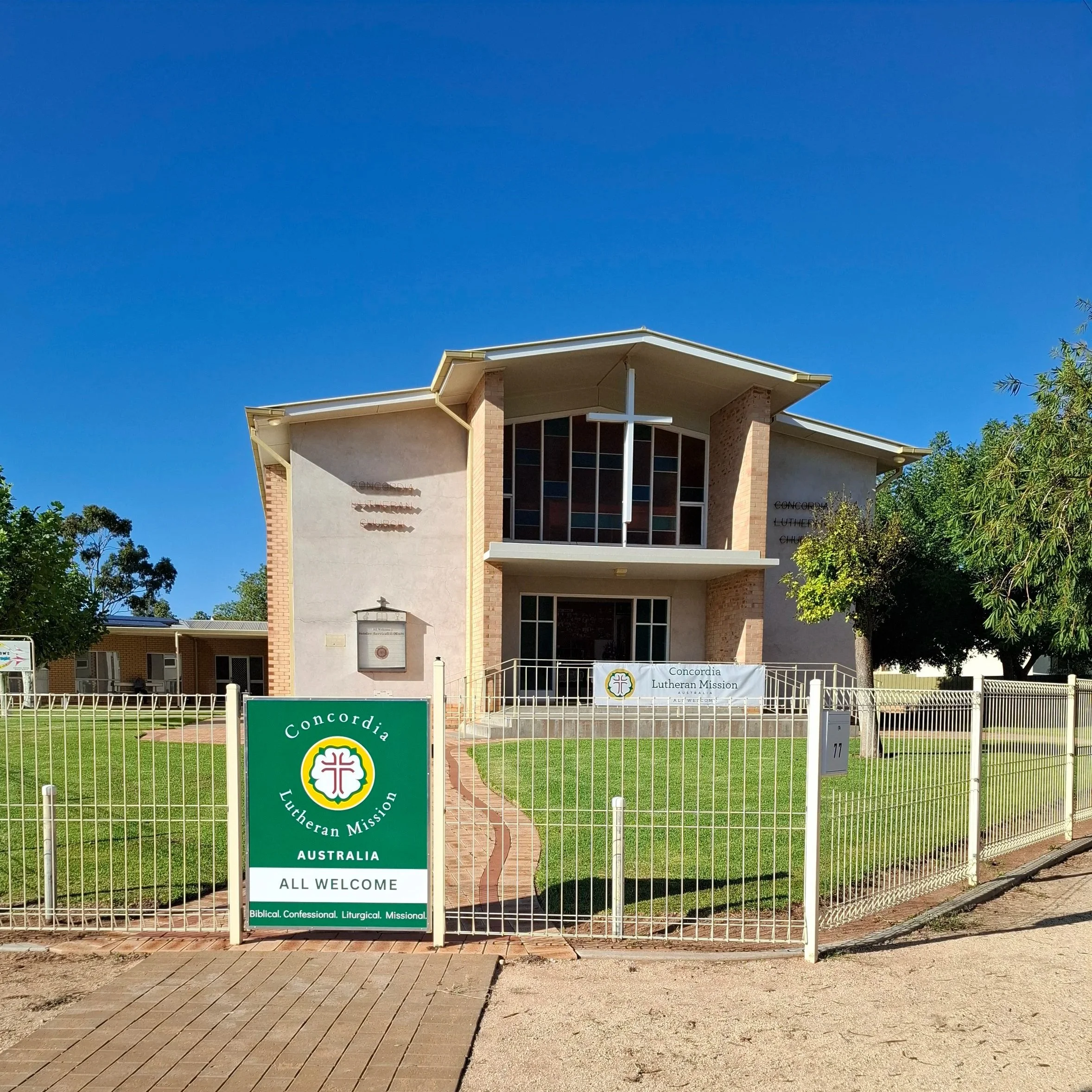
A bright new day
On Sunday 22 March, Concordia Lutheran Church Loxton celebrated its first service as a Lutheran Mission - Australia congregation at 10am on a glorious autumn morning. The service was well-attended, with many visitors from the area and from other LM-A congregations.
LM-A President Pastor Matt Anker led the rite of reception and preached. Pastor Wally Schiller, who has served the congregation for many months, was the liturgist.
Love that doesn’t surrender
When Jesus had received the sour wine, he said, “It is finished,” and he bowed his head and gave up his spirit.’
John 19:30
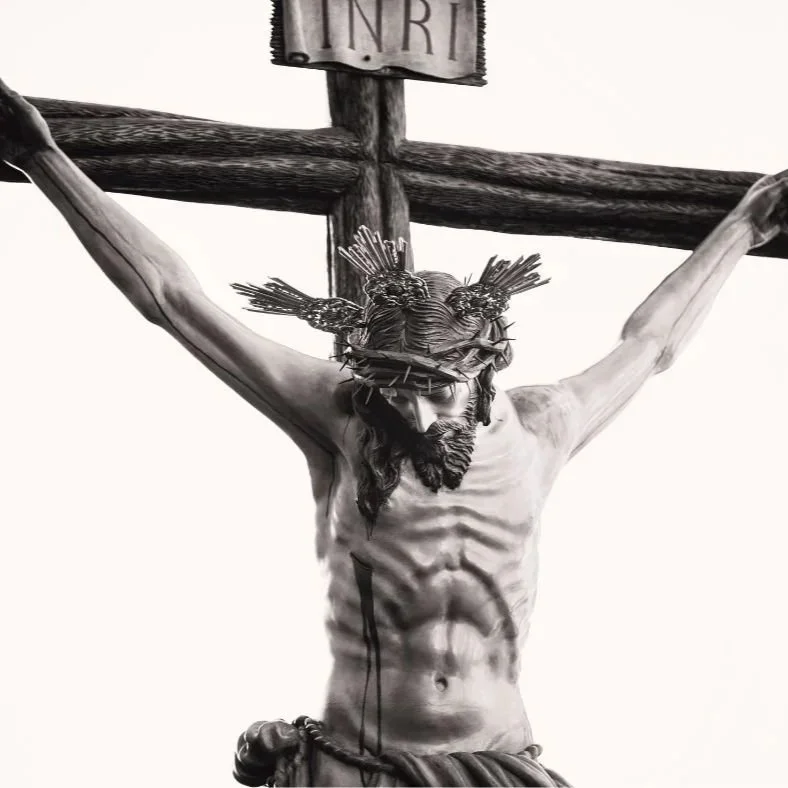
Jesus’ sixth word from the cross is recorded in John 19:30: ‘When Jesus had received the sour wine, he said, “It is finished,” and he bowed his head and gave up his spirit.’
These words may initially sound like a cry of defeat. Spoken from the agony of the cross, they could be misunderstood as the final words of someone who has reached the limit of suffering and can endure no more. After all, Jesus had endured rejection from His own people, betrayal by one of His disciples, abandonment by many of His followers, brutal beating, mockery, and the excruciating pain of crucifixion. In such circumstances it might appear natural to hear in these words a sigh of surrender - a final capitulation to suffering and death…Sometimes surrender can even be considered wise or courageous. A determined person might fight to the bitter end rather than admit defeat, but the truly wise warrior knows when a battle cannot be won. This raises the question: was Jesus surrendering when He said, “It is finished”? The King James Version says that He ‘gave up the ghost.’ So was Jesus finally conceding victory to death?
The answer is no. Jesus’ words are not a declaration of defeat but of completion. The statement “It is finished” (being just one in the New Testament Greek (Τετέλεσται, pronounced Te-tel-estai), proclaims that the work given to Him by the Father has been accomplished. Importantly, Jesus did not say, “I am finished,” but rather, “It is finished.” The mission entrusted to Him - the redemption of the world - had reached its fulfilment.
‘A wonderful confession of the truth’
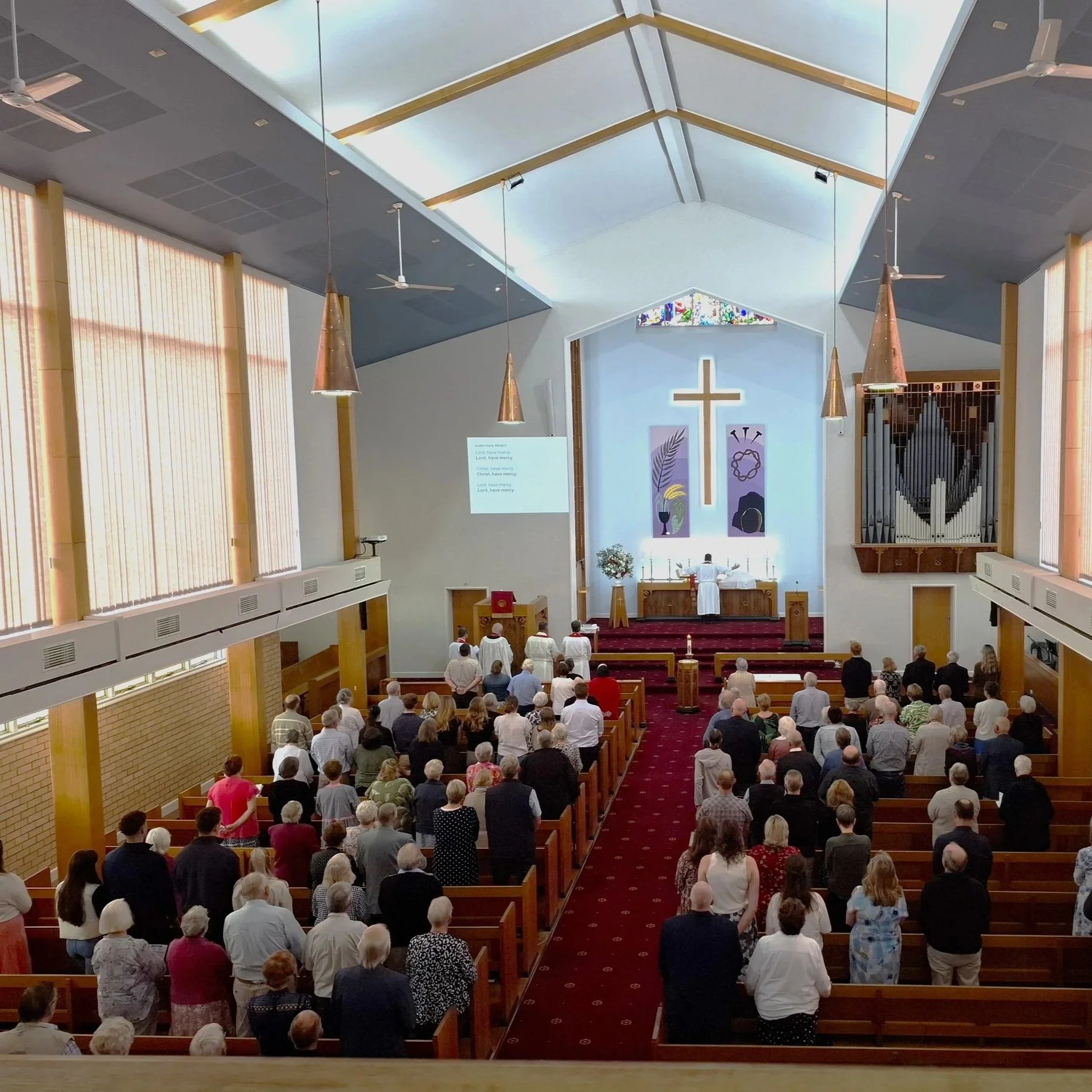
On Sunday 15 March 2026, Good Shepherd Lutheran Church in Hamilton, Victoria celebrated its first service as a Lutheran Mission - Australia congregation.
The service was a joyous occasion, as the congregation marked the culmination of their long journey to LM-A membership.
Following the rousing processional hymn ‘The Church's One Foundation’, LM-A President, Pastor Matt Anker called the Good Shepherd Chairman, Beth Tonissen, and Elders Andrew Tonissen, Trevor Schultz, Allen Schultz, Barry Schurmann & Richard Fry forward for the Rite of Reception into LM-A. As part of the rite, the Chairman and Elders signed a copy of the LM-A Confessional Statement.
… President Matt Anker noted in his sermon that ‘You have made a faithful decision that I know comes at considerable personal cost … be assured that your decision is also a wonderful confession of the truth that has encouraged others to consider God’s Word more carefully and consider the implications of disobedience. It is an example of what it means to walk in the light of Christ and His Word.’
President Anker installed Pastor David Wear as pastor of Good Shepherd during the service.
A thirst quenched
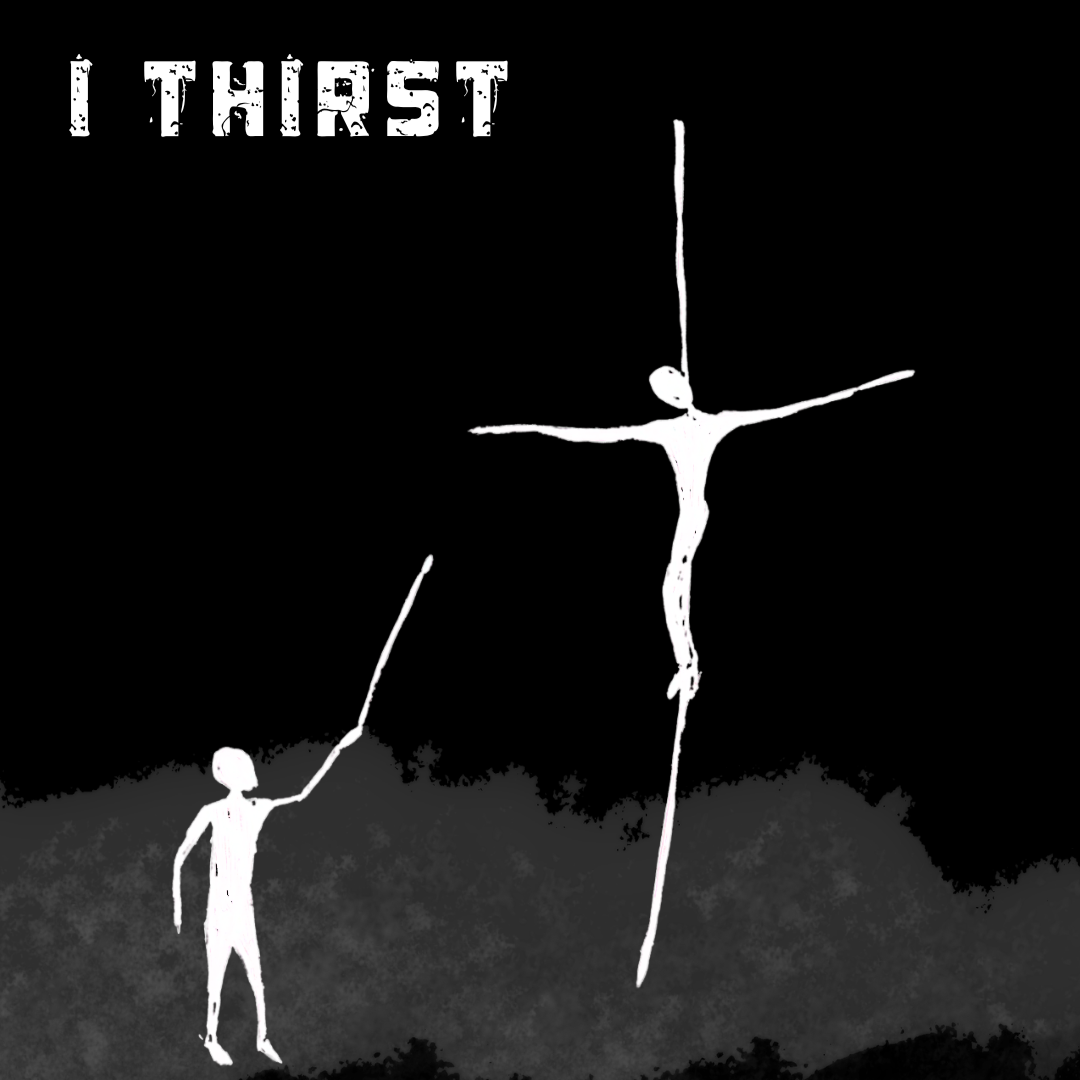
Jesus’ fifth word from the cross is the simple yet profound statement, ‘I thirst’ (John 19:28). On the surface, this is the most basic human request – a drink of water – that which only the cruellest captor would deny. Yet in the context of the crucifixion, these words reveal both the deep humanity of Jesus and the fulfilment of God’s prophetic Word.
As Jesus hung on the cross at Golgotha, nailed through His hands and feet, He endured unimaginable suffering. The agony He experienced had long been foretold in the Old Testament, particularly in Psalm 22. Earlier, Jesus had cried out the words of that psalm: ‘My God, my God, why have you forsaken me?’ (Psalm 22:1). That psalm also describes the physical suffering of the Messiah: ‘I am poured out like water,’ ‘my strength is dried up like a potsherd,’ and ‘my tongue sticks to my jaws’ (Psalm 22:14–15). These words vividly describe the condition of a person suffering extreme dehydration and exhaustion. Jesus’ cry, ‘I thirst,’ reflects the fulfilment of this prophecy as His body weakened and His mouth became parched.
Many people can relate, in a small way, to the feeling of intense thirst. After illness, surgery, or a night spent breathing through the mouth during a cold or flu, one may wake with a dry mouth and a desperate need for a drink of water. Severe dehydration can even lead to collapse from exhaustion. These experiences give us only a faint glimpse of what Jesus endured on the cross. In His agony, the Son of God experienced the full reality of human suffering. His thirst was real, and it revealed His true humanity.
Love that suffers all
And about the ninth hour Jesus cried out with a loud voice, saying, “Eli, Eli, lema sabachthani?” that is, “My God, my God, why have you forsaken me?
Matthew 27:46
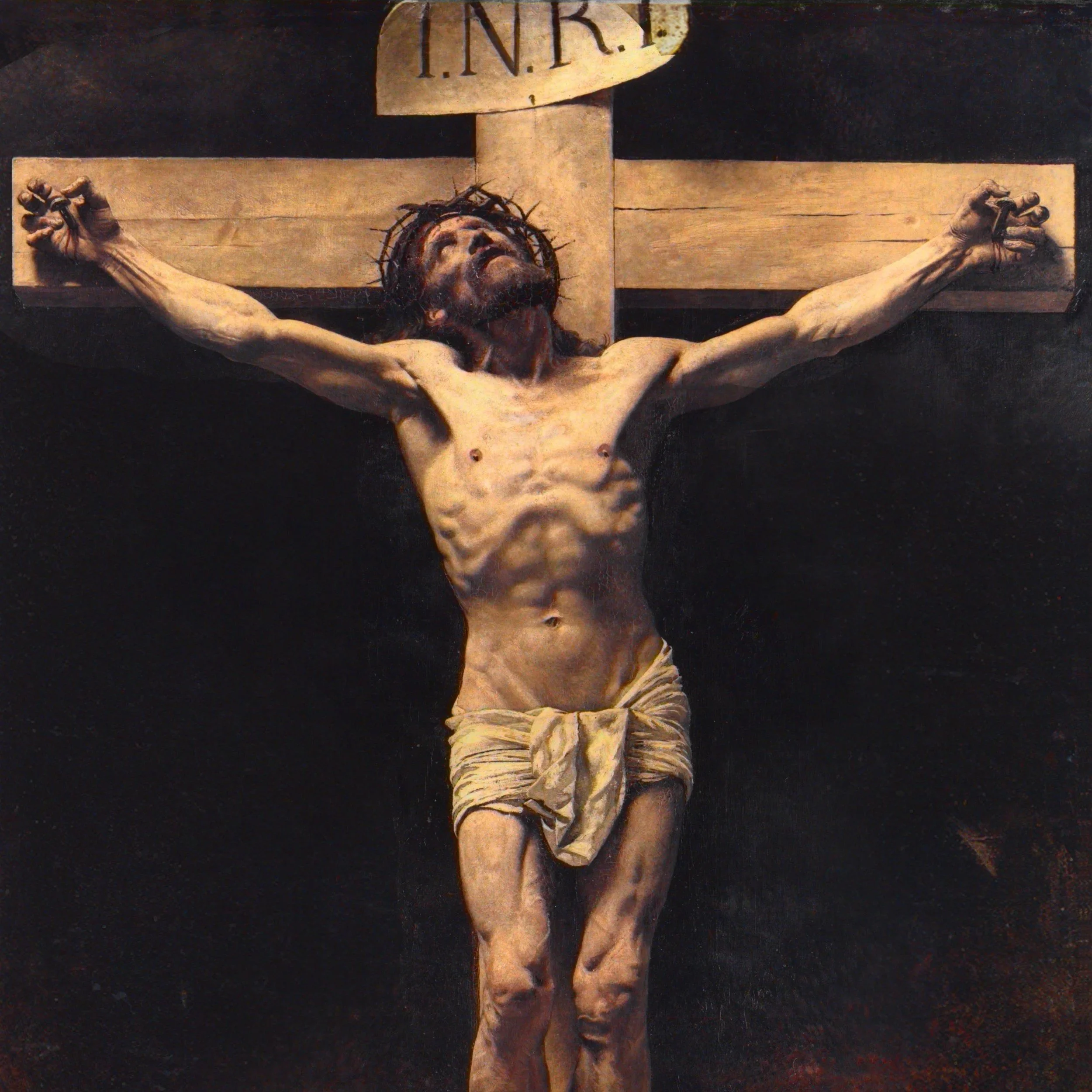
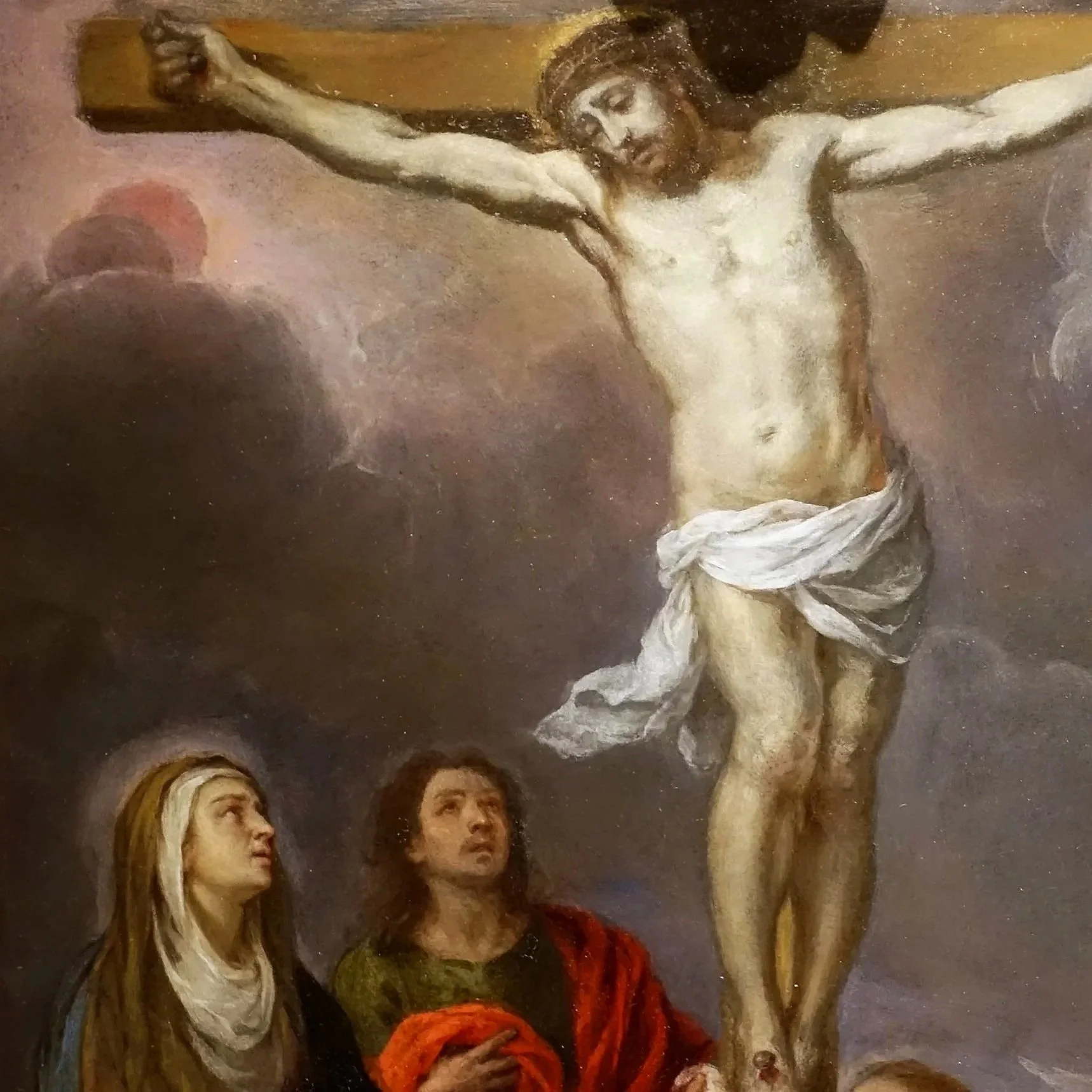
At Golgotha there was a crowd present: the Roman soldiers beneath the cross, the chief priests, scribes and elders standing ringside, criminals to the right and left, a few disciples, and a grieving mother. But even in the crowd that day, Jesus was all alone; utterly forsaken by God and man. In His flesh and blood solidarity with them all (John 1:14; Romans 8:3; Philippians 2:8; Colossians 2:9; 1 Timothy 3:16), yet fully divine; the God-man is suffering so completely. In unwavering obedience to His Father’s will, the cup of suffering will be drunk to the very dregs (Matthew 26:39). Through His utter abandonment did God make ‘him to be sin who knew no sin’ (2 Corinthians 5:21).
The fourth word from the cross is the opening verse of Psalm 22. The first half of this Psalm is a prophetic summary of the entire passion of Christ. As you read that Psalm, take note of verses: 1, 7, 8, 16, 18 and how they come to fruition in the Passion narrative. Psalm 22 ends on a victorious note of hope (Psalm 22:19-31). But in this moment upon the cross there is no hint of a declaration of victory; that won’t come until the penultimate Word is spoken, ‘It is finished’ (John 19:30).
Abandoned by God and men, Jesus was crucified for the sins of the world. ‘Strong bulls’ and ‘ravenous lions’ (Psalm 22:12), were ready to crush, gore and tear Him apart, if only they could do worse to Him than crucifixion. Men could do no more to Him than crucifixion, to kill the body but not the soul (Matthew 10:28); but God must do much worse. He must abandon Christ, body and soul. As Luther says, ‘Christ was damned and abandoned more than all the saints.’ (Schlink, E. The Victor Speaks, trans. Paul F. Koehneke, CPH, Saint Louis, 1958, p 32). The wrath of God must be satisfied in Christ, if full communion is to be restored. As Peter described, ‘He himself bore our sins in his body on the tree, that we might die to sin and live to righteousness. By his wounds you have been healed’ (1 Peter 2:24).
Love that provides
When Jesus saw his mother and the disciple whom he loved standing nearby, he said to his mother, “Woman, behold, your son!” Then he said to the disciple, “Behold, your mother!” And from that hour the disciple took her to his own home.
John 19:26-27
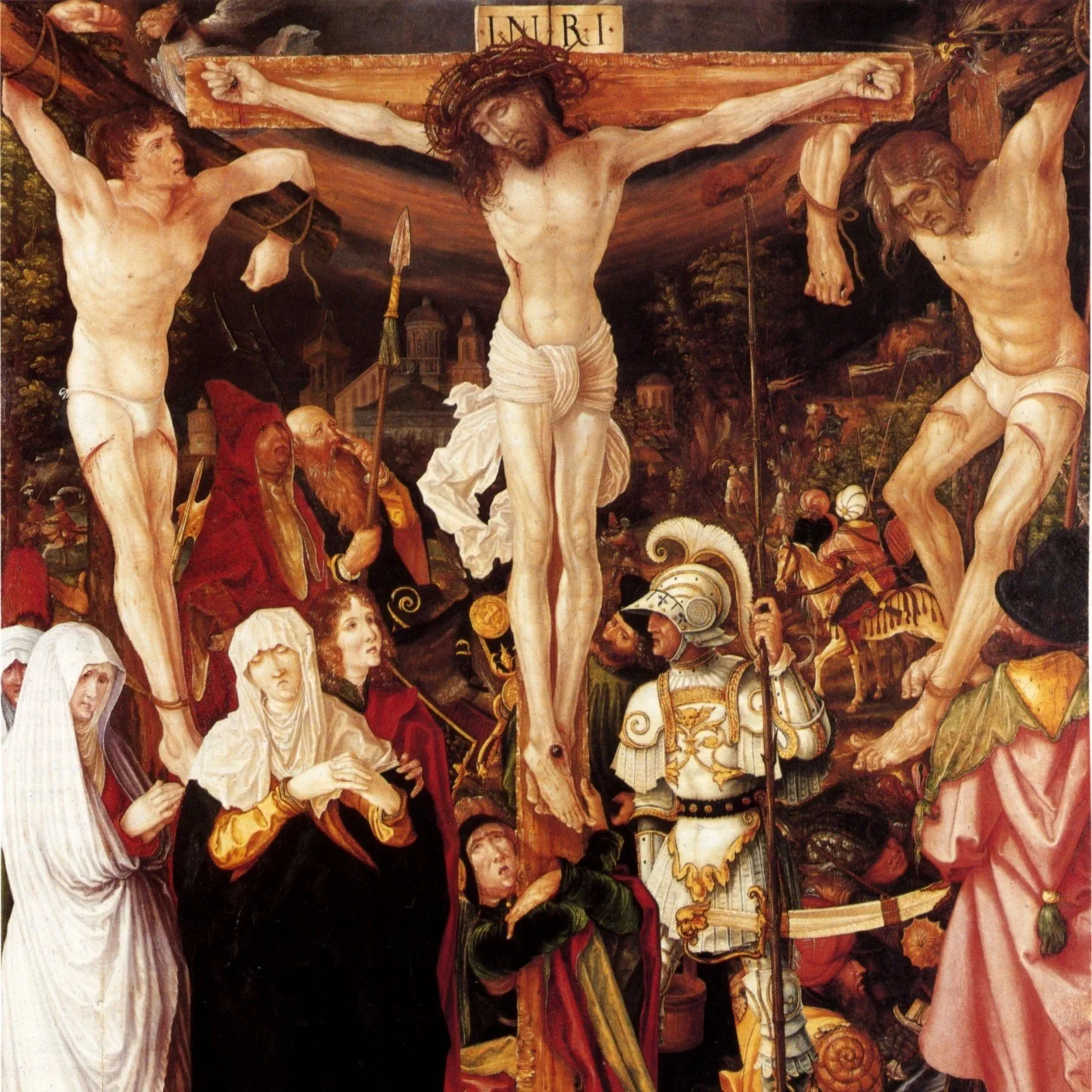
As the first-born son, Jesus fulfilled the command and obligation to meet the ongoing needs of His widowed mother (Exodus 20:12; Psalm 68:5; 1 Timothy 5:3-4; James 1:27), not by entrusting her care to unbelievers (John 7:5), but to a member of the family of the Faith, His beloved disciple John. And ‘from that hour the disciple took her into his own home’ (John 19:27).
Mary, the mother of our Lord, was the most blessed among women, for she received the unique privilege of being the mother of God. But great sorrow was attached to this great blessing. The suffering and death of her Son was the sword that pierced her soul (Luke 2:35b). She treasured up everything that was revealed to her about her Son by the shepherds at His birth. She treasured these things, but it would take the resurrection of her Son for her to understand everything that took place, just as it would for all the other disciples.
In the third word from the cross, “Woman, behold, your son!” and "Behold your mother," Jesus withdraws Himself from His mother in order that she may see in her son, the Son of God. As at the Wedding in Cana (John 2:1-11) we may think that Jesus’ use of the name ‘woman’ rather than ‘mother’ is harsh. But it is precisely because Jesus loves Mary that He must now sever any and all motherly claims on Him and place her into the same position of the penitent thief on the cross who had no temptation to a familial claim. Edmund Schlink wrote, “We may make claims on a son but not on God. We can look on a son, but never on God, as our own. God demands us as His own, and He makes one-sided claims” (from Schlink, E. The Victor Speaks, trans. Paul F. Koehneke, CPH, Saint Louis, 1958, p21). Joseph had died, so Jesus leaves His mother as a man must if He be wedded to His Bride (Gen 2:24) to form His own household, the Church.
Beginning with forgiveness
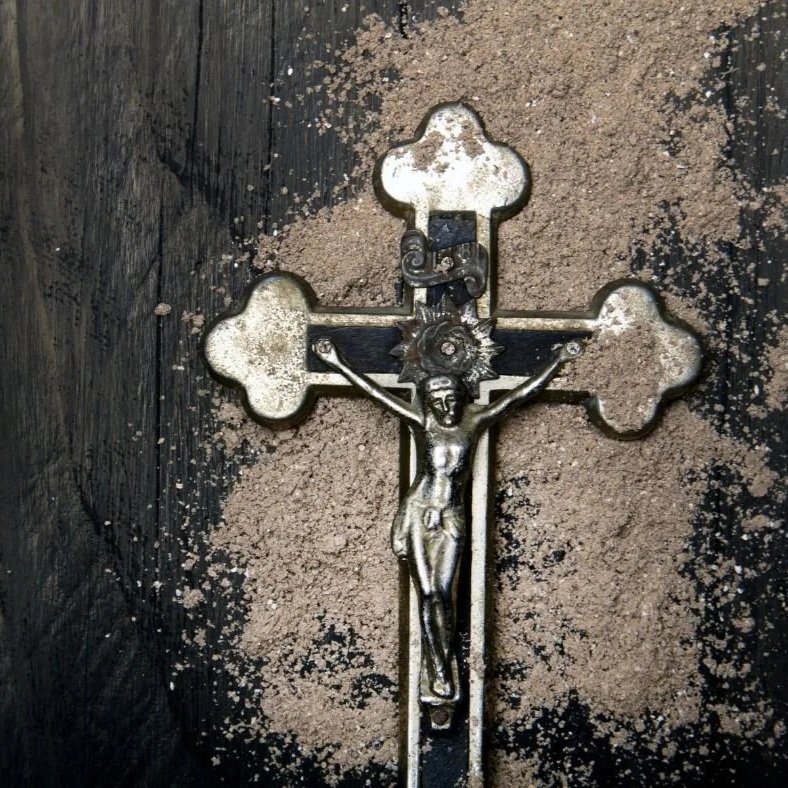
The devotion for Ash Wednesday is the first in our Lenten series focusing on the Last Seven Words of Christ from the Cross.
Father, forgive them, for they know not what they do.
Luke 23:34a
There was a soldier on sentry duty one moonless night. He surprised himself by getting the perfect shot at an enemy soldier who was coming toward him down a laneway. But when he went to examine the body, he discovered it was his best friend, a fellow soldier from another unit. He wasn't at all consoled by the well-meaning chaplain who said to him, ‘But you didn't know what you were doing.’
Because sin is so utterly sinful (Romans 7:13), the fact is that we do not always know what we are doing. But it’s never a valid excuse! Only the Scriptures as ‘a lamp for my feet, a light on my path’ (Psalm 119:105) reveal whether our actions and thoughts are in obedience or disobedience to the Word of Christ.
Pilate, the Jewish religious hierarchy, the raving mob, the Roman soldiers - how did each decide to crucify the Author of Life (Acts 3:15)? Did they know what they were really doing?
Was it that they were standing up for law and order?
Was it that they believed they were supporting good Biblical values?
Did they just have a gut-feeling?
Were they just obeying orders?
With nothing more than the day’s duty in view, they could each answer in their own way.
I don’t understand, so I wash my hands of it all!
He’s a blasphemer! How dare he besmirch our God?
It’s better that He dies, rather than putting the whole nation at risk!
I’m a soldier! I did my duty!
But with eternity in view - an eternity unseen, unnamed and unrecognized by almost everybody involved in the issuing and execution of the death sentence upon the Author of Life and Lord of glory – we, too, now stand there with them under the same just judgment, ‘You do not know what you are doing.’
Growing in the knowledge of God’s love
Hear, O Israel: The Lord our God, the Lord is one. You shall love the Lord your God with all your heart and with all your soul and with all your might. And these words that I command you today shall be on your heart. You shall teach them diligently to your children, and shall talk of them when you sit in your house, and when you walk by the way, and when you lie down, and when you rise.
Deuteronomy 6:4-7
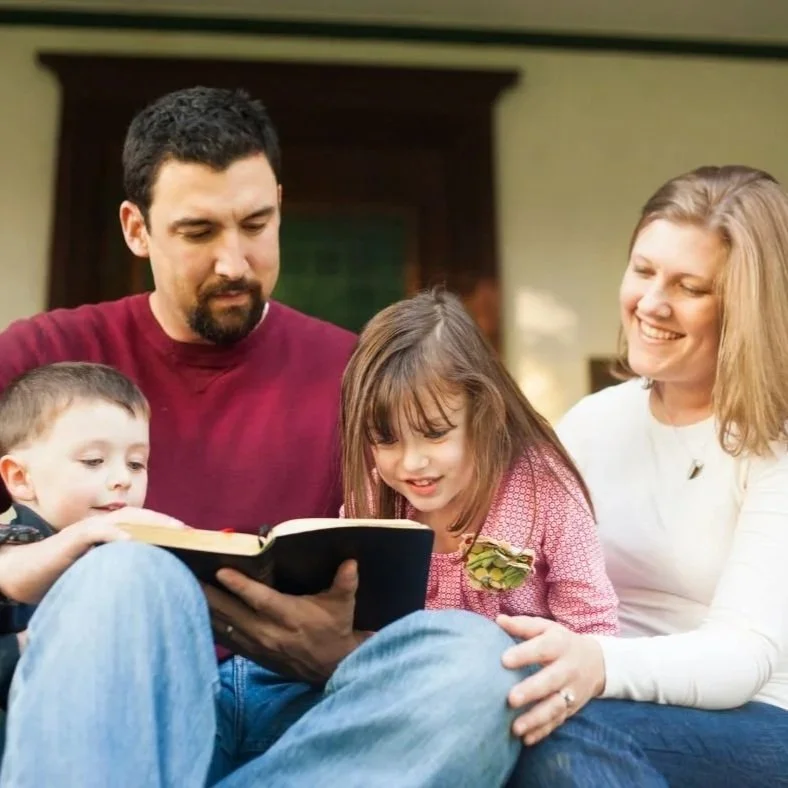
In Martin Luther’s Small Catechism there is a repeated instruction at the beginning of each new section that is easy to overlook. Following the title of the topic at hand (eg. Baptism), Luther states, ‘As the head of the family should teach it in a simple way to his household.’
Luther stood in the long tradition of God’s people in seeing the family as the primary place for teaching the faith. Fathers in particular hold a special responsibility to ensure that children are well instructed and grow in the knowledge of God’s love for them in Christ and in their baptismal identity. St Paul writes in Ephesians 6, ‘Fathers, do not provoke your children to anger, but bring them up in the discipline and instruction of the Lord.’
As the ancient Israelite family was the place where children learnt of the God who had delivered them from slavery in Egypt, so too Christian families are to be the place where children learn of the salvation that has been prepared for them in the Lord Jesus. But even more than that, the Christian family is to be the place where they experience the faith being lived out, as parents and children live out their baptismal grace, confessing their sins and forgiving one another, praying for each other, pointing one another to the promises God made in their baptism and marvelling in the great mystery of the holy supper.
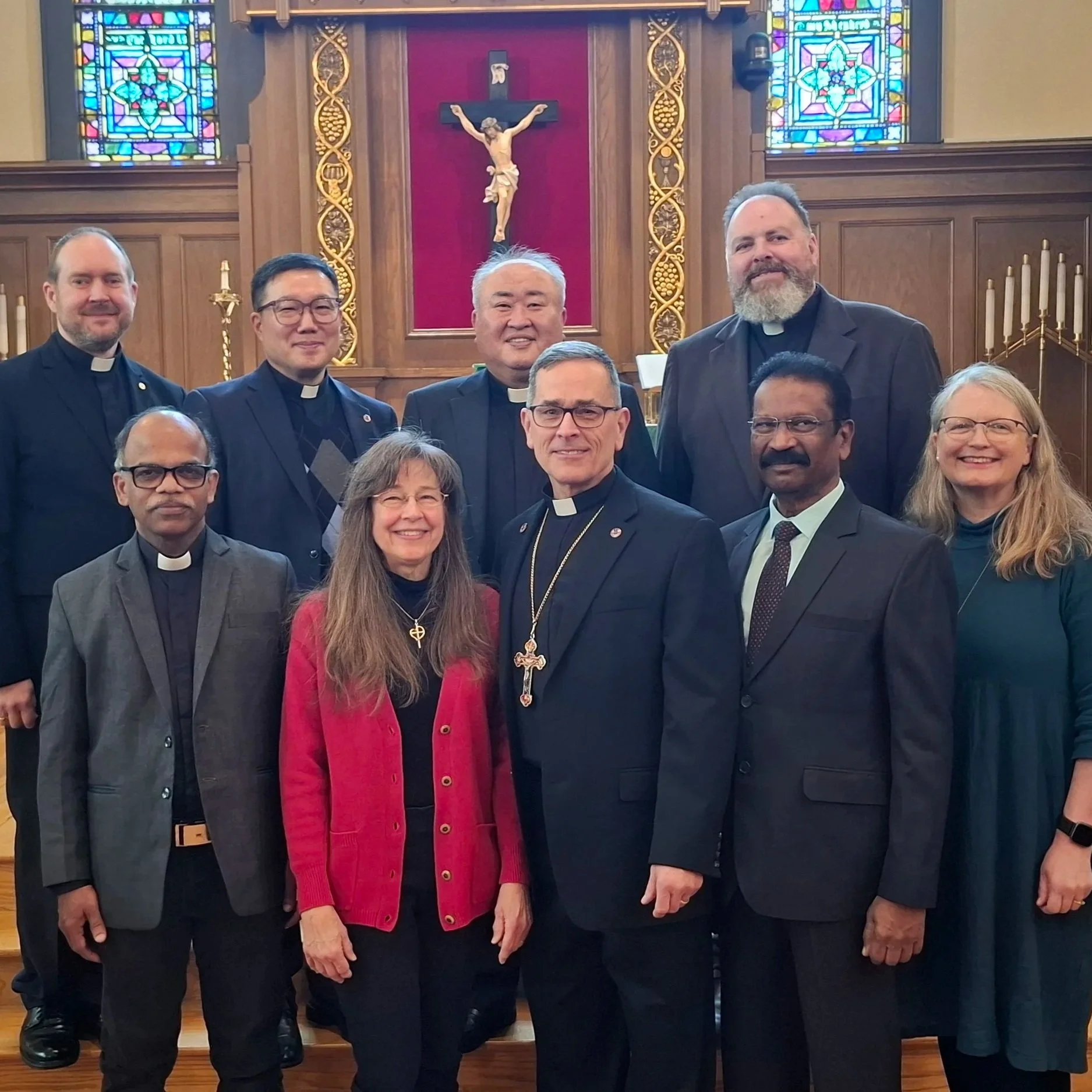
Warm Fellowship in a Cold Climate
In the last two weeks of January, LM-A President Pastor Matt Anker, Interim Seminary Principal Pastor Michael Prenzler and Communications Manager Libby Krahling travelled to the United States to attend the annual Concordia Theological Seminary Fort Wayne Symposia and participate in various meetings. While the weather was very cold, the delegation received a warm welcome.
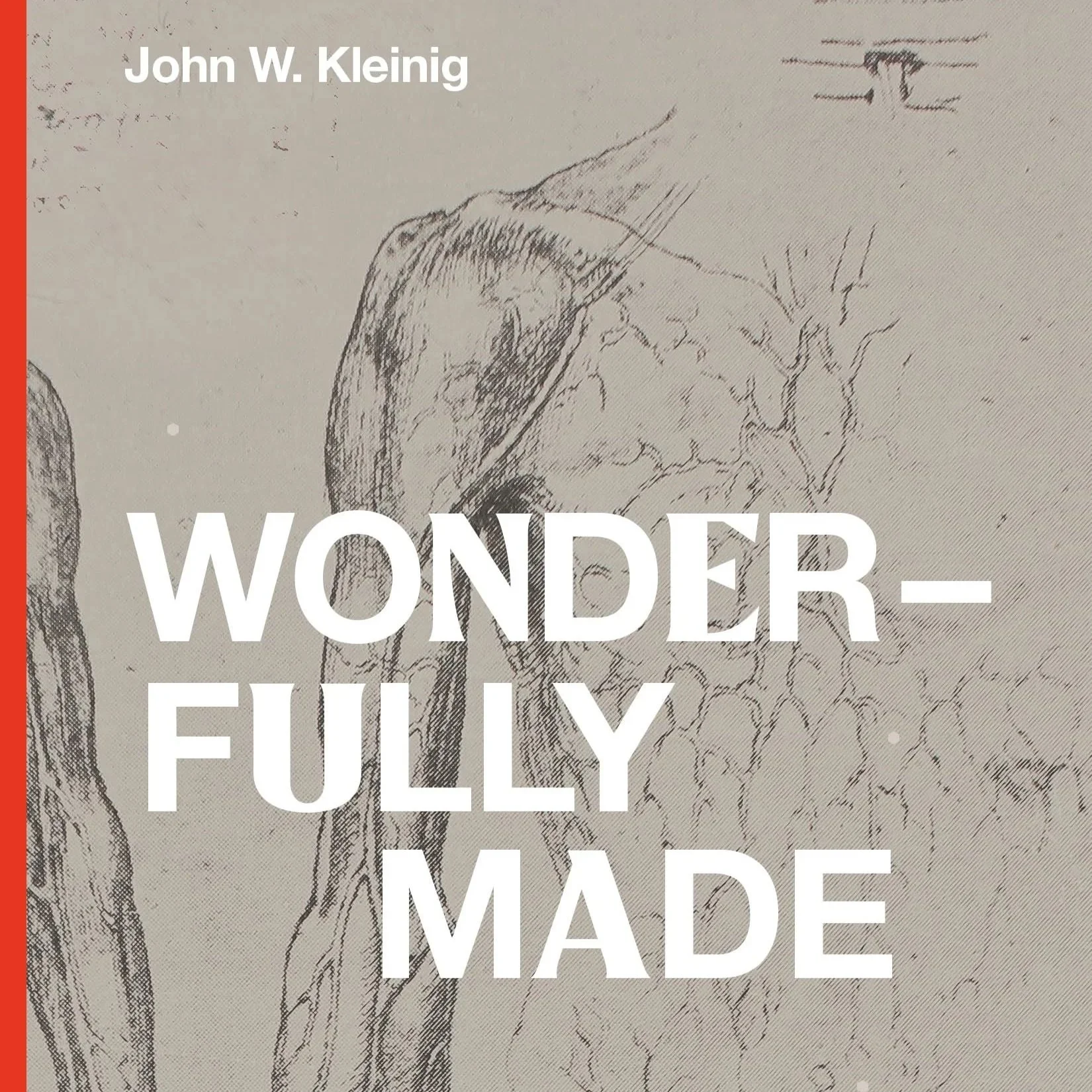
Book Review: ‘Wonderfully Made: A Protestant Theology of the Body’ by Dr. John W. Kleinig
This review is the first in a series we will run over the coming months highlighting wonderful books which share God’s wisdom and the Lutheran Confessions.
We live in a culture that is deeply confused about the nature and importance of the human body. We treat our bodies therapeutically and can idolise them, but also despise or devalue them. We pour money and effort into maintaining and regulating our bodies and nervous systems, meanwhile engaging in acts that desecrate and harm them. People now experiment with their bodies to such an extent that they become almost unidentifiable, removing body parts or adding/augmenting them in pursuit of wellness and the desire to feel “right” or “whole”. Sex and procreation are at all-time lows; many people feel safer sitting in front of a screen and engaging with an AI chatbot or watching a video of a person they’ve never met on the other side of the world than they do asking someone on a date, let alone marrying them. And we are miserable. Anxiety, depression, and loneliness rates are through the roof. So how can we navigate this rapidly changing culture which both elevates and devalues the body?
In this timely book, John Kleinig turns our eyes and hearts back to Scripture to receive the truth, beauty, and goodness in God’s design for the human body. Kleinig encourages us not to curse the darkness that we see and experience in this world, but rather to be illuminated by Christ and His Word. In that sense, the book is not so much a reaction to culture as it is a foundational meditation on Scripture. Only Jesus can help us make sense of our bodies and desires. Only He can diagnose where we have gone wrong and cleanse us from the sins of our past – both those we have committed and those committed against us. Only he can show us how to flourish in and with our bodies, and to live meaningfully in this fallen world, in anticipation for the life to come.

Made in the Image of God
I praise you, for I am fearfully and wonderfully made. Wonderful are your works; my soul knows it very well. - Psalm 139:14
The wisdom of the world describes life as crawling out of some form of primordial soup, with the first cells evolving into the various forms of life we can observe today. Such a view implies a great lottery which eventually leads to death and nothingness.
God’s Word on the other hand describes the creation of all things, giving hope, purpose, and meaning. The final creative work described is that of people.

Receiving the Greatest Gift
They told him, ‘In Bethlehem of Judea, for so it is written by the prophet.’
Matthew 2:5
The Feast of Epiphany celebrates the day Jesus was first witnessed by Gentiles. This is significant, because it shows that Jesus is not only the King of the Jews, but the Saviour of the world.
The first Gentiles to see God’s human face are perhaps the most unexpected. They were magi, so-called wise men who worshipped the stars. Although they would be treated with scepticism today, in their own land, the magi would have been revered as the wisest of all. If their lives in the East were anything like the astrologers of Daniel’s day, it was a high-pressure environment. If you could predict the impossible, you were showered with power and riches, but the slightest failure was met with a brutal and horrific death (see Daniel 2:1-6, for example). Kings put so much pressure on their wise men because they acted as political advisors. When a king did not know whether to go to war or stay home, they would summon the magi to ask the stars. The lives of countless young men and the destiny of the entire nation rested upon their shoulders. Everything depended on their astrological ability, and so they worshipped the stars, fearing them, loving them and trusting in them above all else.
LM-A Response to the LCA’s Advent Lament
Lutheran Mission - Australia’s response to a recent ‘Advent Lament’ from LCA Bishop Paul Smith.

Love in human form
And the Word became flesh and dwelt among us, and we have seen his glory, glory as of the only Son from the Father, full of grace and truth… For from his fullness we have all received, grace upon grace. For the law was given through Moses; grace and truth came through Jesus Christ. No one has ever seen God; God the only Son, who is at the Father's side, he has made him known.
John 1:14, 16-18
The Word became flesh and dwelt among us.
These words are so familiar to us that perhaps we skip over them too easily, just as we can tend to relegate scenes of the nativity to the Children’s Christmas programs and thereby distance ourselves from this humble account. But we do well to pause and ponder these things deeply as we prepare to celebrate the birth of our God-in-flesh at Christmas. Because in the simplicity and humility and meekness of the child born in a shed, we get to see who our God is, and how deep His love is for us sinners.
Martin Luther preached, ‘There is such richness and goodness in this Nativity that if we should see and deeply understand, we should be dissolved in perpetual joy.’
And so, I want to encourage you to meditate on the great mystery of the incarnation, the nativity of our Lord, with child-like wonder and joy this year. In the Word becoming flesh, we have a powerful reminder of God’s determination not to leave us to our own sinful devices and ways that lead to despair. Instead, He came into our mess and joyless poverty and transformed it into something infinitely good and full of wonder.
Who would’ve thought that our rescue from sin and death would depend on a helpless baby, born in the humblest of surroundings and with scandal hanging over His head? And yet that is how God works. He doesn’t stand far off. He doesn’t shun us due to our sin or turn away because of our shame. Instead, He sends His only begotten Son to be born of a virgin in the lowliest of circumstances, and in Him we see the fullness of God dwelling bodily. God with us, Immanuel. God who is for us. God who saves us. And He comes to us in the miracle of a baby that we may truly know Him and His love for us. That we may approach Him with confidence and without fear. A baby born in a shed, destined for a cross that you might receive forgiveness and life in His name.

Joy in the wilderness
And the ransomed of the Lord shall return and come to Zion with singing; everlasting joy shall be upon their heads; they shall obtain gladness and joy, and sorrow and sighing shall flee away.
Isaiah 35:10
On Sunday, we will light the ‘joy’ candle in our Advent Wreath. This far into the Advent season, it can be hard to feel joy. The school year is winding down, the shops are full of frantic activity, the media is filled with pressure to buy more, do more, outshine the neighbours… and it can feel hollow, overwhelming, pointless. For many the year has been long, and exhaustion has crept in. Where is the joy in all this?
The readings for the Third Sunday in Advent speak beautifully and powerfully into this space. In Isaiah 35:1-10, we read of the ‘wilderness and the dry land’, our desert times, when we struggle with ‘weak hands’, ‘feeble knees’, and ‘anxious hearts’ in the wilderness of sin and death, a place of burning sands and thirsty ground, haunted by jackals.
But the glory of the Lord is coming! Into this bleak and fearful place, blossoms will burst forth, water will flow, bringing life in abundance, with healing and restoration for the blind, deaf, mute and lame, so that all may see the Saviour, hear the good news and sing and dance with joy.
And through the middle of this new life, Isaiah prophesied that a highway would come, the Way of Holiness. Jesus is that way – the Way, the Truth and the Life (John 14:6)! He came so we can say with confidence,
“Be strong; fear not!
Behold, your God
will come with vengeance,
with the recompense of God.
He will come and save you.” (v4)

Peace in the midst of turmoil
The wolf shall dwell with the lamb, and the leopard shall lie down with the young goat, and the calf and the lion and the fattened calf together; and a little child shall lead them.
Isaiah 11:6
What do you think of when you hear the phrase ‘World Peace’? In my kindergarten days, I remember seeing crayon cartoons of children from every country, holding hands all the way around the world. To many today, the dream of world peace seems as realistic as a child’s dream of growing up to become a dinosaur or a butterfly.
It’s hard not to become cynical. Most adults would settle for peace within their own lives. The Australian dream of owning a home becomes more dreamlike every day. Those who do have houses struggle to maintain peace between the people who live inside them. We find similar conflicts within our minds and hearts as we try to navigate the whole rotten mess. A distinct lack of peace marks our entire lives. We even feel it in our bones, which ache as we approach the final defeat of our bodies. All of human experience would seem to tell us that peace is no more than an impossible dream.
Our Old Testament reading for this Sunday, Isaiah 11:1–10, paints a picture of peace which seems just as impossible and dreamy. Wolves and lambs dwelling together, lions eating hay alongside big, juicy cows. Such starry-eyed visions of world peace seem naïve, childish and downright irresponsible to our mature and jaded eyes. Yet the ‘little Child’ who leads this animal circus in Isaiah’s vision is the same Babe who calls us to become like little children, if we would enter his kingdom.
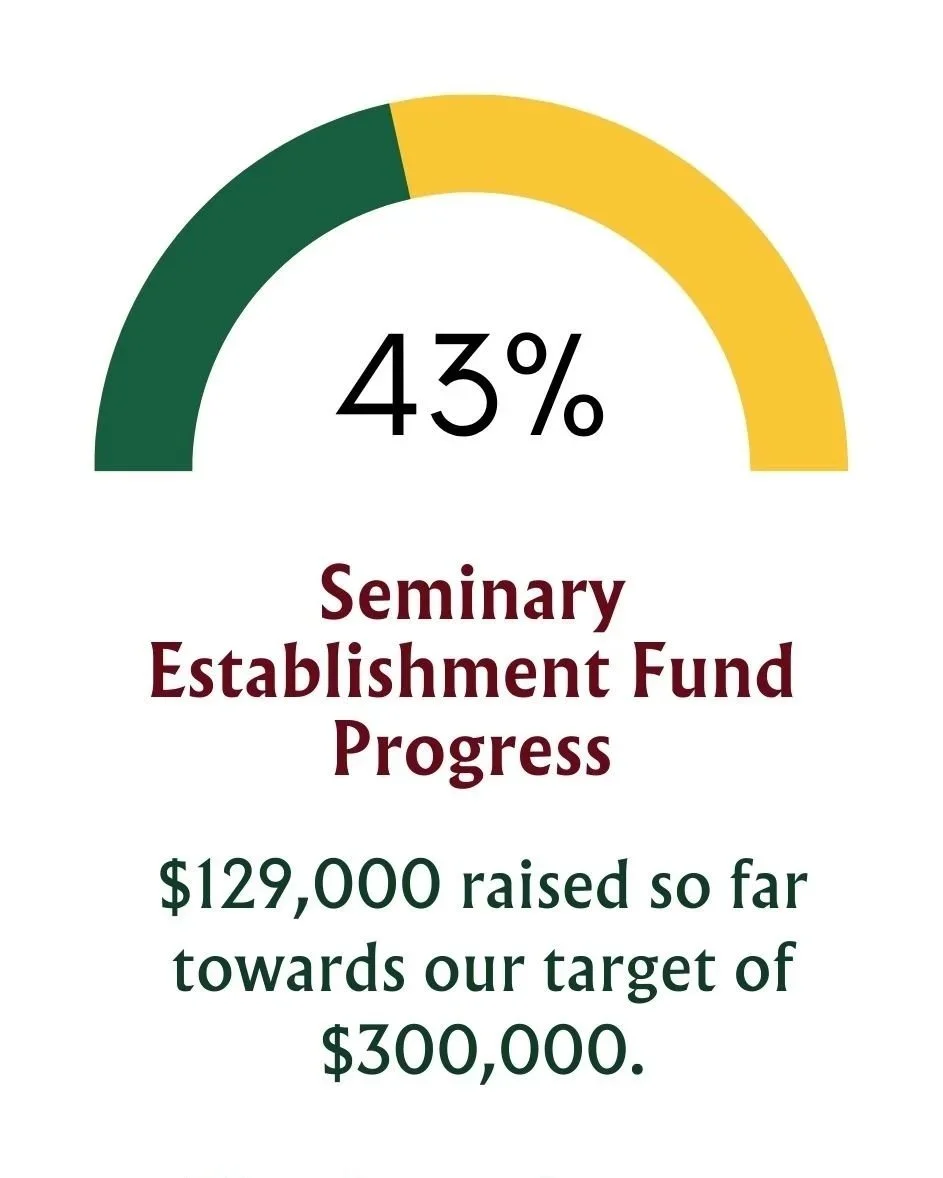
Seminary Update, December 2025
Seminary Development Officer, Pastor Michael Prenzler provides an update on the Seminary Establishment Fund, the Sem Vlog, Information Sessions and other matters.